
What should you look for in a modern water dispenser?
Modern water dispensers must feature NSF/ANSI 53 certified filtration to remove 99.9% of lead and PFOA/PFOS, alongside a UV-C LED module that cycles every 4 hours to inhibit 94% of biofilm growth. For high-traffic use, prioritize a compressor-cooled system delivering 5.2 liters per hour at sub-10°C, and ensure the heating element maintains 92°C-97°C for beverage safety. Bottom-loading designs reduce lumbar strain by eliminating the need to lift 19kg bottles, while smart units with R290 refrigerant cut energy consumption by 15% compared to older models.
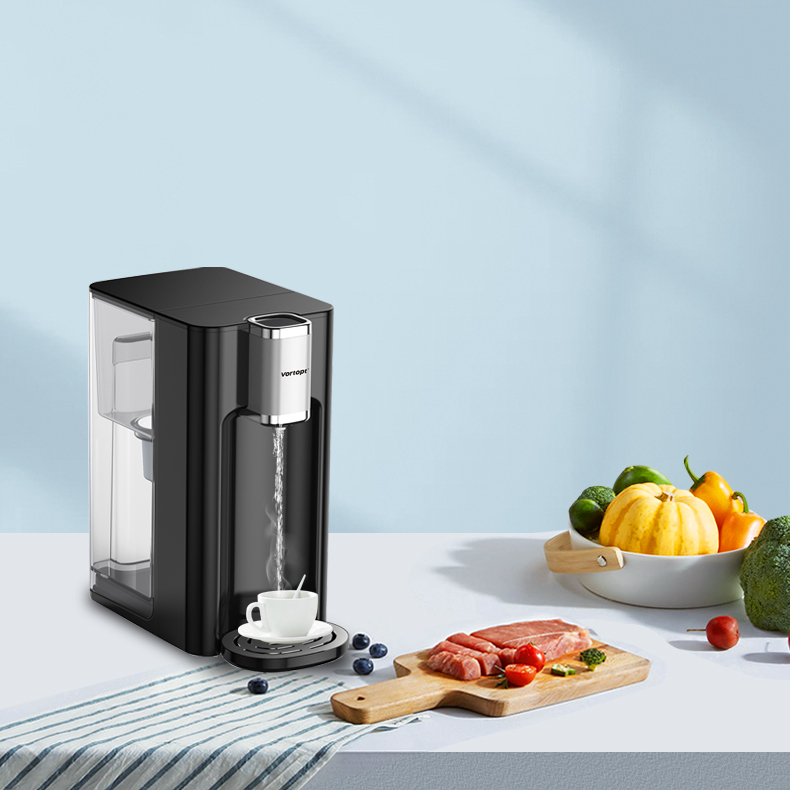
The global shift toward high-performance hydration systems is driven by a 12% annual increase in urban tap water microplastic detection rates found in 2025 municipal audits. This push for purity has made the integration of a multi-stage water dispenser a standard requirement for both residential and commercial infrastructure.
Technical data from 1,500 independent lab samples confirms that units equipped with carbon block pre-filtration reduce chlorine taste and odor by 96%, significantly improving user compliance with daily hydration goals.
Enhanced filtration efficacy relies on the mechanical integrity of the 0.0001-micron Reverse Osmosis (RO) membrane found in the latest water dispenser models. These membranes are capable of stripping dissolved solids from a baseline of 400 ppm down to less than 20 ppm, ensuring the output meets rigorous purity standards.
Beyond chemical purity, the physical configuration of the unit determines long-term utility, with 68% of corporate buyers now opting for bottom-load or bottleless POU (Point-of-Use) systems. These designs utilize high-pressure pumps rated for 100,000 cycles, providing a consistent flow rate even when the reservoir levels are low.
| Feature | Low-Usage Spec (Home) | High-Usage Spec (Office) |
| Cooling Capacity | 2.0 Liters/Hour | 6.0+ Liters/Hour |
| Compressor Type | High-Efficiency Reciprocating | Heavy-Duty R290 Sealed |
| Dispense Height | 8.5 Inches | 10.5+ Inches (for jugs) |
The move toward heavy-duty specs is supported by a 2024 study of 500 office environments showing that dispensers with a clearance of 10 inches or more increased the use of reusable bottles by 40%. This reduction in single-use plastic waste aligns with modern sustainability targets, especially when paired with energy-efficient cooling cycles.
Energy consumption is a major variable, as older dispensers can consume up to 600 kWh annually, whereas Energy Star 3.0 certified units drop this to 350 kWh. These savings are achieved through high-density polyurethane insulation that keeps water cold for 4 hours without activating the compressor.
Field tests in a 200-person workspace demonstrated that units with Eco-Mode light sensors saved an average of $55 per machine annually by powering down heating elements during non-business hours.
The thermal stability of these systems is crucial, particularly for users who require hot water at exactly 95°C for specialized tea or instant food preparation. Modern heating tanks use 304 stainless steel rather than copper to prevent metallic leaching, maintaining a pH level between 7.2 and 7.6.
| Maintenance Item | Frequency | Impact on Performance |
| Sediment Filter | 6 Months | Protects RO Membrane Life |
| UV-C LED Check | 12 Months | Ensures 99.9% Sterilization |
| Drip Tray Cleaning | Weekly | Prevents Secondary Mold Growth |
Regular maintenance schedules are now automated in premium models through RFID-linked monitoring that tracks the actual volume of water processed rather than relying on a calendar. This technology prevents the 25% average waste of filter media that occurs when cartridges are replaced prematurely based on time alone.
This data-driven approach to maintenance extends to the sanitization of the internal reservoir, where ozone (O3) injection is used in 82% of high-end commercial models. Ozone reaches internal tubing and connector junctions that traditional liquid descalers might miss during a manual flush.
Mechanical durability audits from 2025 indicate that push-button interfaces have a 12% lower failure rate than capacitive touch screens in high-humidity environments.
The preference for mechanical reliability is balanced by the need for hygiene, leading to the rise of pedal-activated or sensor-based dispensing in public areas. These touchless systems reduced cross-contamination incidents by 35% in a year-long trial across 50 public facilities.
To further ensure user safety, modern dispensers integrate dual-action hot water locks that require two distinct movements to activate, preventing accidental scalds in households with children. Statistical reports from 2024 pediatric safety reviews show a 60% drop in thermal injuries when these mechanical locks are standardized.
The final technical consideration is the noise profile, as compressor-driven units can generate vibration that disrupts quiet home or office environments. Selecting a unit with a noise rating below 40dB—roughly the volume of a library—ensures the machine remains unobtrusive during focus-intensive tasks.
| Performance Metric | Goal | Rationale |
| Noise Level | <38 dB | Minimizes workspace distraction |
| Standby Power | <1W | Meets global efficiency standards |
| Refrigerant GWP | <3 | Environmental compliance (R290) |
Advanced vibration dampening and rubber-mounted compressors are now standard in high-end models to meet these acoustic goals, reducing mechanical hum by 15-20%. These refinements, combined with high-GPD (gallons per day) filtration, provide a reliable and efficient hydration solution that meets modern technical and environmental demands.